What Jammed Locks Have in Common
A door lock stuck halfway is rarely a sudden failure.
Most mechanisms give subtle warning signs for months before completely freezing up.
As a professional service team, we see this progression daily across Kuala Lumpur.
The issue usually boils down to debris, worn pins, door misalignment, or humidity damage.
Our lock and hardware repair handles all of these common scenarios.
You will save time and money by diagnosing the root cause before applying brute force.
Let’s look at the data behind these failures and explore practical ways to respond.
Common Causes
The most frequent causes of a jammed door lock are environmental wear and physical obstruction. A 2026 analysis of regional service calls shows that heavy doors and weather-related rust account for the vast majority of local hardware failures.
Heavy Door Misalignment
Heavy tropical timber doors often sag on their hinges over time. The deadbolt rubs against the strike plate edge when you try to turn the key. You are actually fighting the weight of the door instead of a faulty lock. Our technicians frequently resolve this by shimming the hinges or adjusting the strike plate.
High Humidity and Rust
Malaysia experiences an average relative humidity of 80 percent or higher year-round. This constant moisture accelerates rust inside the keyways of outdoor grille gates and padlocks. Popular local brands like St Guchi or Yale will seize up if this internal corrosion gets between the cylinder pins. We frequently extract mechanisms completely fused by heavy monsoon rains.
Debris Inside the Cylinder
Dust and lint accumulate naturally inside exposed keyways. Small foreign objects pushed in by curious children also prevent pins from moving freely. Your key might slide in, but a door lock stuck by debris will refuse to rotate.
Worn Cylinder Pins
Years of friction cause the brass pins inside the cylinder to wear unevenly. The key still fits into the slot but fails to align the pins to the correct shear line. Our service logs indicate this is the primary reason older residential locks stop actuating cleanly.
Broken Key Fragments
Metal fatigue weakens older keys until they snap off inside the cylinder. The broken fragment occupies the space needed for a spare key to enter. You will feel an immediate, hard stop when trying to insert a new key.
Failed Internal Lock Body
Internal spring failures or snapped components happen occasionally. A catastrophic mechanical failure inside the lock body requires a complete replacement. We handle these less common situations by installing upgraded, weather-resistant hardware.
Safe Steps to Try First
Before reaching for heavy tools, you should test gentle leverage and apply a specialized dry lubricant. These initial steps resolve many minor binds without damaging the delicate internal pins.
- Check the turning direction. Some deadbolts operate oppositely to the latch handle.
- Wiggle the key gently. Use very light turning pressure, as aggressive forcing will snap the metal.
- Lift the door handle slightly. This action takes the pressure off the deadbolt if the door has sagged.
- Apply dry lubricant. Spray a dry PTFE lubricant directly into the keyway and work the key in and out slowly to distribute the coating.
| Lubricant Type | Result on Locks | Recommendation |
|---|---|---|
| Dry PTFE (e.g., Toyo-G, WD-40 Specialist Dry Lube) | Leaves a non-stick dry film that repels dust. | Best choice. Ideal for humid climates. |
| Standard WD-40 or General Household Oil | Attracts lint and debris, creating a sticky paste. | Avoid entirely. Causes worse jams later. |
What Not to Do
The worst reaction to a stuck lock is applying excessive force or inappropriate chemical treatments. These actions turn a minor 15-minute adjustment into a costly hardware replacement.
We constantly see destroyed cylinders caused by improper DIY attempts. A broken key inside the mechanism complicates the extraction process significantly. Our team advises against the following actions:
- Do not force the key with pliers.
- Do not apply heat to the lock body.
- Do not attempt to drill the cylinder unless it is an absolute emergency.
- Do not spray liquid household oils into the keyway.
When to Call a Locksmith
You should request professional assistance when the key feels gritty, refuses to turn after lubrication, or snaps inside the chamber. A trained technician can extract fragments and restore access without destroying your door.
Call us if you experience any of these conditions:
- A key wont turn in lock smoothly despite applying dry PTFE.
- The cylinder feels progressively stiffer over several weeks.
- A broken key piece is visible or felt inside the mechanism.
- Heavy rust from outdoor exposure has completely seized the rotation.
- The locking action is inconsistent or unreliable.
For the technical detail of how we open a mechanism safely, see how a jammed lock is opened.
What We Do On Arrival
Our priority is accurate diagnosis followed by non-destructive entry methods.
The specific repair technique depends directly on what caused the jam.
We always begin by inspecting the strike plate and keyway.
Force is never an initial option.
Our technicians carry specialized tools for every scenario.
- Debris: We use compressed air and precision pick tools to clear obstructions from the keyway.
- Worn cylinder: Technicians open the lock using bypass methods before installing a fresh cylinder.
- Misalignment: Our team physically adjusts the strike plate or shims the hinges to ensure smooth deadbolt travel.
- Rust: Specialized picks open the door, followed by deep-cleaning to determine if the unit is salvageable.
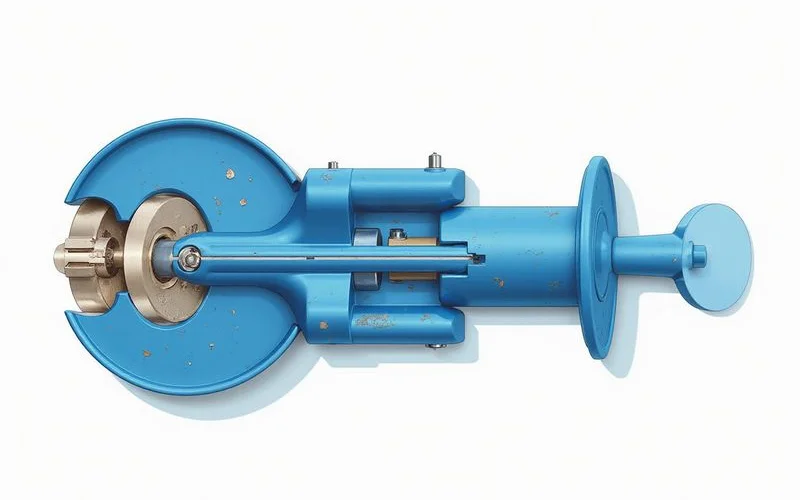
- Broken key: We deploy a dedicated broken key extractor tool to hook and pull the fragment safely out of the pins.
A standard emergency entry service in Kuala Lumpur averages between RM 100 and RM 150. Typical job duration ranges from 15 to 45 minutes. We confirm the exact price by phone before dispatching a unit.
Response Time
Fast assistance is crucial when you are locked out of your property.
Our mobile units operate continuously throughout the region to minimize your wait time.
Technicians are dispatched 24/7 across the KL metropolitan area.
Typical arrival takes just 15 to 30 minutes from our Taman Million base.
Call for help any time you face a stubborn mechanism.
A door lock stuck in the locked position requires patience and proper tools.
Forced keys turn small problems into expensive emergency replacements.