How to Open a Jammed Lock: The Mechanics Behind It
We often hear from clients who assume a jammed door requires a drill. Learning exactly how to open a jammed lock begins with understanding the internal components. Modern tools actually make non-destructive entry the standard approach.
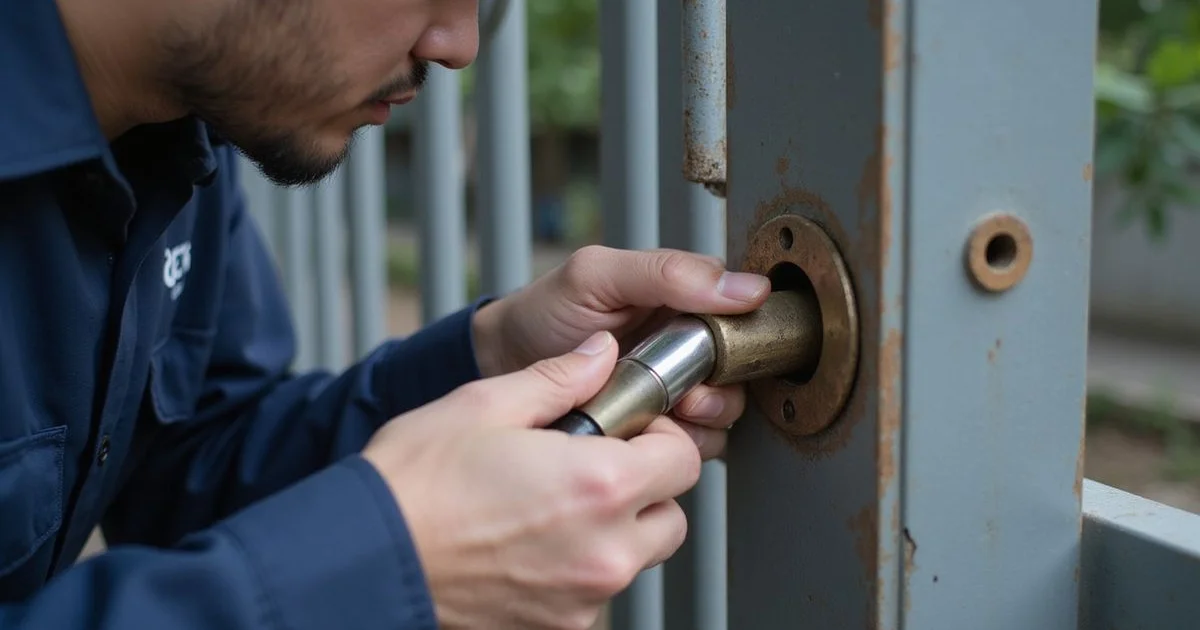
Our lock opening service bypasses most hardware safely using a few core techniques. Drilling is an absolute last resort.
The introduction of decoders like the Lishi 2-in-1 tool has dropped picking error rates below 5% for common residential profiles.
We regularly use these precision instruments to quickly open popular Malaysian brands like St Guchi and Yale. Let’s look at the data behind lock failures and explore practical ways to respond.
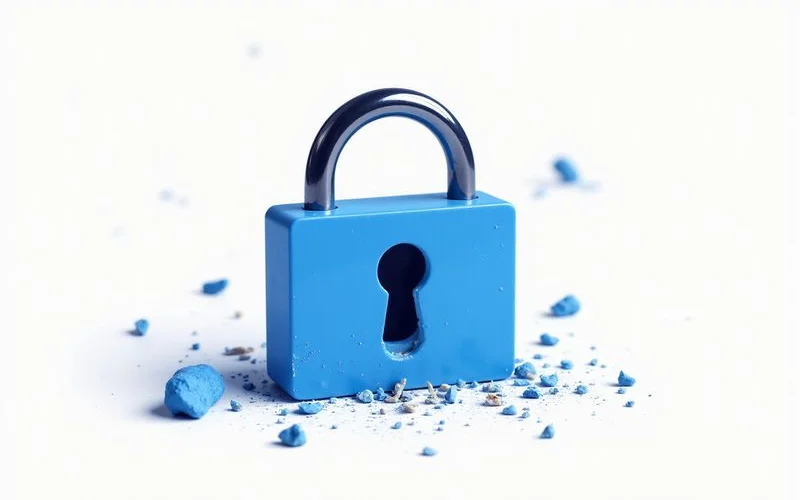
The image below shows what a jammed mechanism looks like inside.
Why Locks Seize
We trace most seized locks back to environmental factors or long-term mechanical wear. High moisture levels and accumulated grime are the biggest enemies of smooth operation. The following issues represent the most frequent causes of a jammed mechanism:
- Rust and Moisture: Our data shows Kuala Lumpur maintains an average relative humidity of around 78% year-round. This constant moisture easily gets between cylinder pins on outdoor grille-gate padlocks. The metal components oxidize and freeze tightly in place.
- Incorrect Lubrication and Debris: We often see people use standard WD-40 on locks, which actually attracts dust over time. Dust, lint, and improper oils create severe internal blockages. A dry formula like WD-40 Specialist PTFE lubricates without leaving a sticky residue.
- Worn Pins: Our technicians replace many internal brass pins that have worn unevenly after seven to ten years of daily use. They eventually reach a point where they no longer line up cleanly. The key will slide in, but the cylinder refuses to turn.
- Broken Key Fragments: We frequently extract snapped keys that sit hidden deep inside the keyway. This metal fragment blocks new keys from inserting fully. Applying more force only pushes the broken piece further into the mechanism.
- Misalignment: Our inspections sometimes reveal that the lock itself is completely healthy. A shifting door frame can jam the deadbolt tightly against the strike plate. The hardware feels stuck, but the cylinder actually functions perfectly.
- Failed Lock Body: We occasionally find that internal springs inside the lock case have failed or separated. The cylinder turns normally in these situations. The disconnected parts simply fail to actuate the deadbolt mechanism.
Non-Destructive Techniques to Open a Jammed Lock
We utilize several specialized methods to open your door without causing damage. Standard pin tumbler locks open quite easily once the correct technique is applied. The right approach depends entirely on the specific brand and model:
- Lock Picking: Our team applies slight tension to the cylinder while using picks to set each pin to the shear line. This method usually takes under ten minutes for standard residential hardware. Advanced decoders like the Lishi 2-in-1 tool make this process highly reliable.
- Bypass Tools: We carry make-specific bypass tools that exploit known weaknesses in certain lock designs. These instruments work without engaging the keyway at all. They directly manipulate the internal actuator to open the door instantly.
- Key Extraction: Our kits include specialised spiral extractors from brands like HPC to grip a broken key fragment. These thin wires pull the metal out cleanly. The cylinder remains undamaged and ready for a spare key.
- Tension and Impressioning: We can sometimes read the pin heights through fine tension feedback and cut a working key on-site. The technician files a blank key until it perfectly matches the internal pins. You can then open the door naturally with this newly fabricated key.
- Compressed Air and Cleaning: Our vans carry portable air compressors to blow out severely dirt-jammed locks at 90 PSI. A careful clean often restores normal operation without any picking required. You can read more about the broader concept in this non-destructive entry guide.
Why DIY Stuck Lock Opening Is a Bad Idea
We strongly advise against using pliers or screwdrivers to force a stuck cylinder. Common DIY responses during a stuck lock opening attempt always cause more expensive damage. Twisting harder or prying the metal simply breaks internal components.
Our pricing data shows that a simple RM150 lubrication job easily turns into a massive repair bill. Forcing the hardware creates several costly problems. Here is exactly what happens when you apply too much pressure:
- Snapping the Cylinder: We regularly replace entire locksets because a homeowner snapped the internal tailpiece. This turns a quick fix into a RM400 lock replacement. High-security models from brands like Assa Abloy can cost even more to replace.
- Bending the Key: Our extractors cannot easily grip a key that has been bent and crushed by pliers. The distorted metal wedges itself tighter against the brass pins. This forces the technician to drill the cylinder.
- Damaging the Door Frame: We see many dented metal frames caused by aggressive prying with screwdrivers. Pry marks and structural damage cost upwards of RM500 to repair. The frame repairs often cost more than the lock itself.
- Injury: Our team uses proper safety gear because bent metal snaps unpredictably under pressure. A slipped tool can cause severe cuts to your hands. The cheapest path is almost always to call a professional before forcing the mechanism.
When Professional Opening Is Needed
We classify certain lock malfunctions as immediate professional emergencies. Modern security hardware features anti-tamper mechanisms that permanently freeze the lock if forced. Brands like Armor use security pins that drop into a dead-lock position when they detect aggressive picking attempts.
Our technicians can bypass these security measures safely if the lock remains undamaged. You should stop trying to open the door if you notice any of the specific symptoms below. Forcing the mechanism in these scenarios will only make the situation worse.
| Symptom | Underlying Cause | The Professional Solution |
|---|---|---|
| We address stuck keys that refuse to come out. | The internal pins have dropped into the wrong chambers. | Specialized shims lift the pins to safely release the blade. |
| Our extractors are required when a snapped key sits deep in the keyway. | Metal fatigue causes older brass keys to sheer off under pressure. | These tools grip the broken piece without scratching the cylinder walls. |
| We frequently encounter keyways that are completely rust-frozen. | Iron oxide expands up to seven times its original volume, crushing the pins. | Penetrating oil and ultrasonic vibrations help break the rust seal. |
| Our team steps in when you hear grinding from inside the lock case. | The cast-metal tailpiece or internal springs have likely shattered. | The technician bypasses the cylinder entirely to actuate the latch manually. |
We provide rapid assistance for all of these complex situations. Professional assistance to open seized lock mechanisms is significantly faster than dealing with a broken door. It also protects your expensive hardware from unnecessary destruction.
How Long It Takes to Open Seized Lock Hardware
Our dispatch team navigates Kuala Lumpur traffic quickly to reach your location. Most jammed locks open in 5 to 20 minutes once the technician is on-site. Standard residential models open very fast, while high-security cylinders take closer to half an hour.
We understand that waiting outside a locked door is incredibly frustrating. Typical response times across the Klang Valley average around 30 to 45 minutes. Severely seized outdoor locks subjected to heavy rain take slightly longer to prep and open.
Our operators confirm the exact price by phone before dispatching a van. The technician will explain the situation and re-quote first if the work needs to escalate to a full replacement. There are no surprise fees added at the end of the job.
We always send a live GPS tracking link to your phone. This allows you to monitor the technician’s arrival time accurately. Keep your device charged so you do not miss the update.
After Opening
Our inspection process begins the moment the door swings open. Some locks just need a thorough cleaning to restore them to perfect working order.
The technician will lubricate the internal components and reinstall the hardware if it remains functional.
We clearly tell you when a lock has reached the end of its reliable lifespan. A worn cam or stripped internal threading means replacement makes more sense than repair.
Upgrading to SS304 stainless steel hardware provides significantly better rust resistance for outdoor gates. Our team quotes any necessary replacements separately if you want the upgrade done immediately.
Book lock opening any time since the dispatch desk operates 24/7 across KL. Bring photos or descriptions of the hardware so the technician knows exactly how to open a jammed lock before arriving.