The Five Most Common Problems
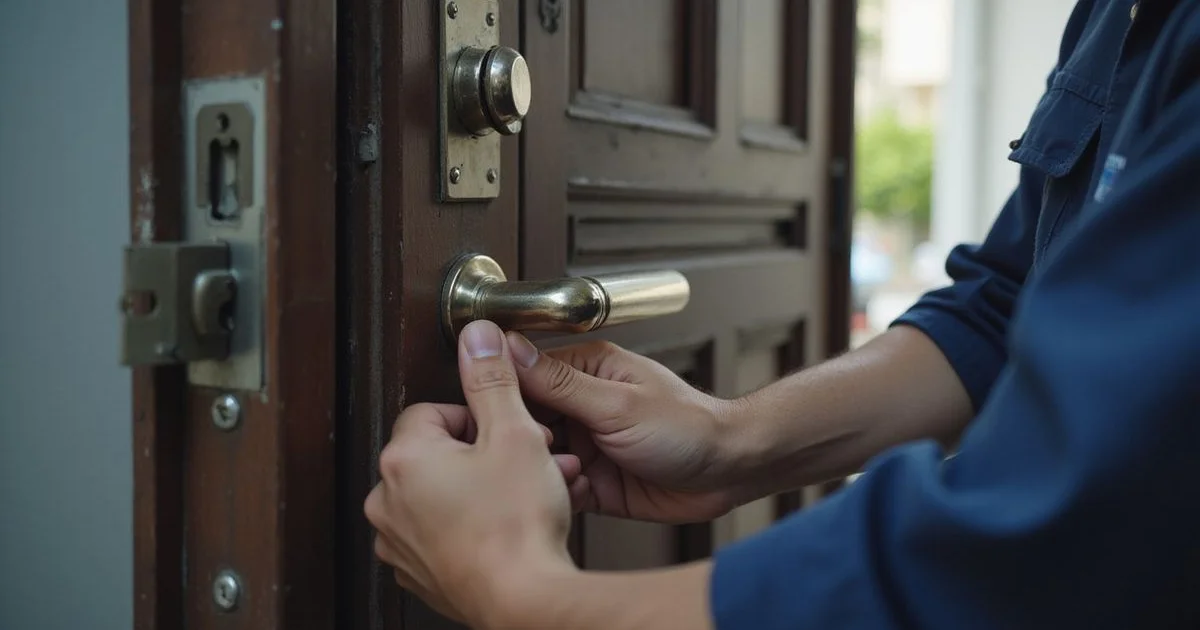
We see the same handful of door knob problems on a daily basis. That frustrating moment when a handle spins uselessly or traps someone inside happens more often than you might think. Our door hardware repair handles all of them, usually within one visit.
Knowing exactly what is failing saves you both time and money.
Let us look at the data, identify the actual causes, and outline the fastest ways to get your doors working again.
1. Loose or Spinning Knob
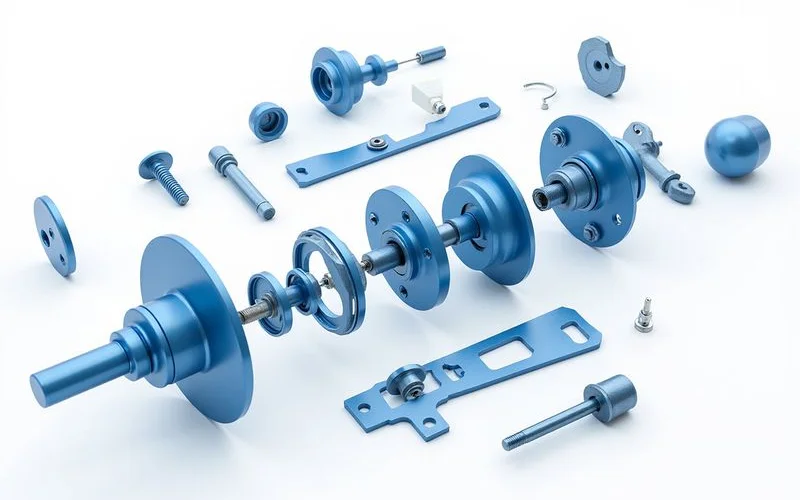
A loose door knob fix usually requires tightening a small hidden set screw or replacing a worn spindle. If the knob spins freely without retracting the latch, the physical connection between your handle and the internal mechanism has completely failed.
We find that a loose set screw causes about 70% of these spinning handle issues. This tiny grub screw sits on the underside of the knob and gradually backs out from years of daily turning. Fixing this takes just a few minutes with a standard 2mm or 2.5mm metric Allen key.
The internal spindle itself occasionally breaks from years of heavy force. A fractured spindle means the set screw has nothing to grip.
Fix: Tighten the set screw on the underside of the knob. Replace the spindle if you spot any cracks. Total repair time runs between 15 and 30 minutes.
2. Latch Won’t Catch
When your door bounces back open, the latch bolt is failing to line up with the hole in the strike plate. Fixing this requires shifting the strike plate position or adjusting the door hinges so the pieces connect properly.
We deal with this alignment issue constantly in Malaysia because of our specific climate. Local homes often feature heavy solid wood doors made from Merbau or Nyatoh. These tropical woods absorb moisture from our typical 80% relative humidity and can easily expand by up to 3mm during the rainy season.
This natural shifting throws the latch completely out of alignment with the frame. Routine maintenance is practically mandatory to keep things closing smoothly.
Fix: Adjust the strike plate position by slotting the screws and shifting it slightly. You might need to shim the door hinges or refile the latch hole opening for severe cases. Set aside 20 to 45 minutes for this adjustment.
3. Sticking Handle
A sticking door handle not working properly usually has a weakened return spring or debris jamming the interior. Opening the housing to clean and lubricate the mechanism will restore a smooth turning action.
Our technicians frequently see standard coil springs lose up to 30% of their tension after just a decade of daily use. A handle that feels stiff, gritty, or sags downward is a clear sign the internal metal parts are grinding together.
Lubrication is critical, but using the wrong product makes the problem worse. Standard WD-40 or wet machine oil turns into a sticky magnet for dust and metal shavings.
Fix: Open the handle housing and clean out any visible debris. Apply a dry lock lubricant like WD-40 Specialist Dry PTFE or powdered graphite. Replace the return spring if it is visibly worn. Expect this to take 20 to 30 minutes.
4. Worn Out Mechanism
A completely worn out mechanism requires a full replacement of the entire handle unit. When the latch feels loose in its tube and the rose plate wobbles, the entire system has reached the end of its functional life.
We see typical budget tubular locks fail completely after 5 to 7 years of standard family use. Premium mortise locks from established brands like Yale or St Guchi might last 15 years, but eventually the internal metal simply wears away.
Repairing a single spring in a dead mechanism is a waste of money because the other parts will fail next week.
Fix: Full replacement with a matching new handle is the only permanent solution. You can share a photo of your old hardware before our visit so we can source a matching finish from popular local suppliers like Armor or Kwikset.
5. Bathroom Privacy Lock Failure
Bathroom privacy locks usually fail when the internal thumbturn mechanism jams or the exterior emergency release breaks. This requires immediate access from the outside using specialized bypass tools to free the trapped person.
Our emergency dispatch data shows these privacy lockouts account for nearly 60% of our urgent residential calls. The moist environment inside a bathroom accelerates rust on the tiny internal springs. When that rusted privacy mechanism jams, the standard emergency pinhole release on the outside often fails to disengage the latch.
This is a highly distressing failure because someone is frequently stuck inside a small, warm room.
Fix: Use a specific 3mm flathead screwdriver or rigid pin tool to access the emergency release from outside. Assess the lock immediately after opening to determine if it needs full replacement. We dispatch these bathroom lockouts as priority emergencies.
DIY Quick Fixes vs Pro Repair
Knowing the difference between a simple DIY fix and a complex pro repair saves you from ruining your door. Basic tightening and lubrication are safe household chores, but dismantling a jammed lock body usually requires professional experience.
We often see eager homeowners turn a minor issue into a costly disaster. A poorly executed DIY attempt can easily strip the internal threading or splinter a solid wood frame. What should have been a standard RM150 professional service call quickly turns into an RM400 replacement bill plus the cost of door carpentry.
Reasonable DIY Tasks:
- Tightening a clearly loose set screw with the correct metric Allen key.
- Cleaning visible debris from the latch plate.
- Applying dry PTFE lock lubricant to a stiff keyway.
- Straightforward strike plate adjustments under 2mm.
When to Call a Pro:
- Anything involving the sealed interior lock body.
- Replacing tension springs or broken spindles.
- Complex latch mechanism faults.
- Any bathroom emergency unlock situation.
| Repair Type | Average Time | Risk Level | 2026 Estimated Cost |
|---|---|---|---|
| Basic DIY Maintenance | 15 Mins | Low | Cost of PTFE Spray |
| Pro Strike Plate Adjust | 30 Mins | Low | RM80 to RM120 |
| Pro Lock Mechanism Repair | 45 Mins | Medium | RM150 to RM200 |
| Botched DIY Replacement | 2 Hours | High | RM400+ (New Lock & Door Repair) |
Get a quote first before tearing your hardware apart. We provide honest advice over the phone and will tell you if a job is safe to tackle yourself.
For deciding between a quick fix and a brand new unit, see our guide on repair or replace?.
When to Call Us
If your door knob problems are getting worse weekly or someone has struggled to operate the door, you need to book a repair immediately. Ignoring a degrading lock guarantees it will fail completely at the worst possible time.
Our technicians know that door hardware rarely heals on its own. A sticking latch today becomes a complete lockout tomorrow. Once you notice metal grinding or require extra force to turn the handle, the internal components are already fracturing.
Do not wait until you are stuck outside your bedroom. Please book a repair sooner rather than later to keep your home secure and accessible.